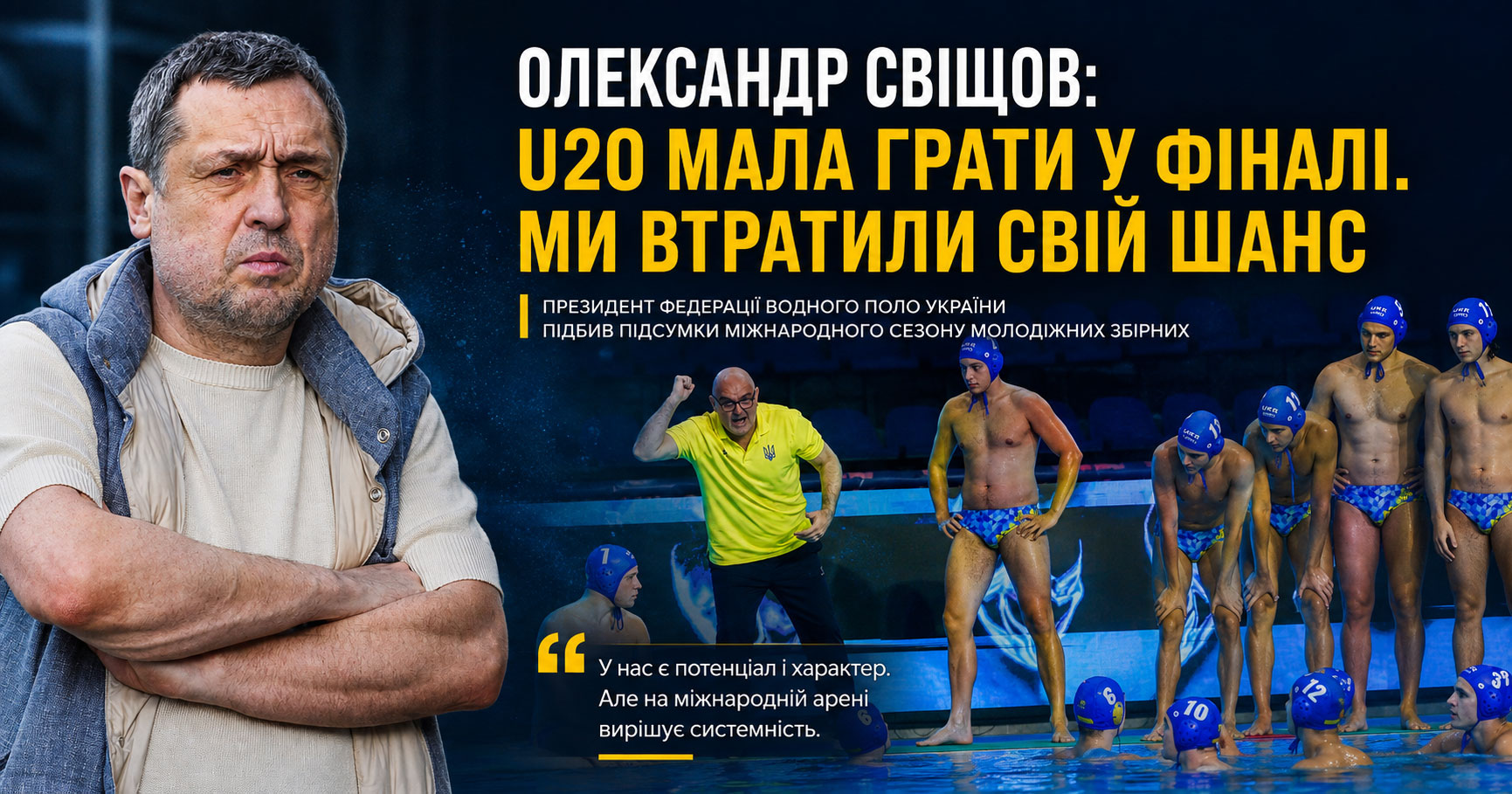
Oleksandr Svischov: why the U-20 national team failed to qualify for Division A and what lessons can be learnt from the season as a whole
This summer, our youth teams played an important series of international matches. The results have been mixed, but the most important thing is that they give a clear picture of where we actually stand.
I’ll start with the U20 junior team.
We set the team the highest possible target – to reach the final and be promoted to Division A. I am convinced that, given their potential, this team was capable of achieving that.
However, we missed our chance right at the start.
At this level, you can’t afford to play a few ‘warm-up’ matches. The tournament is short and intense, and any loss of points immediately results in a drop in the standings. That is precisely what proved to be the key factor.
However, from the midway point of the tournament onwards, the team looked a different side.
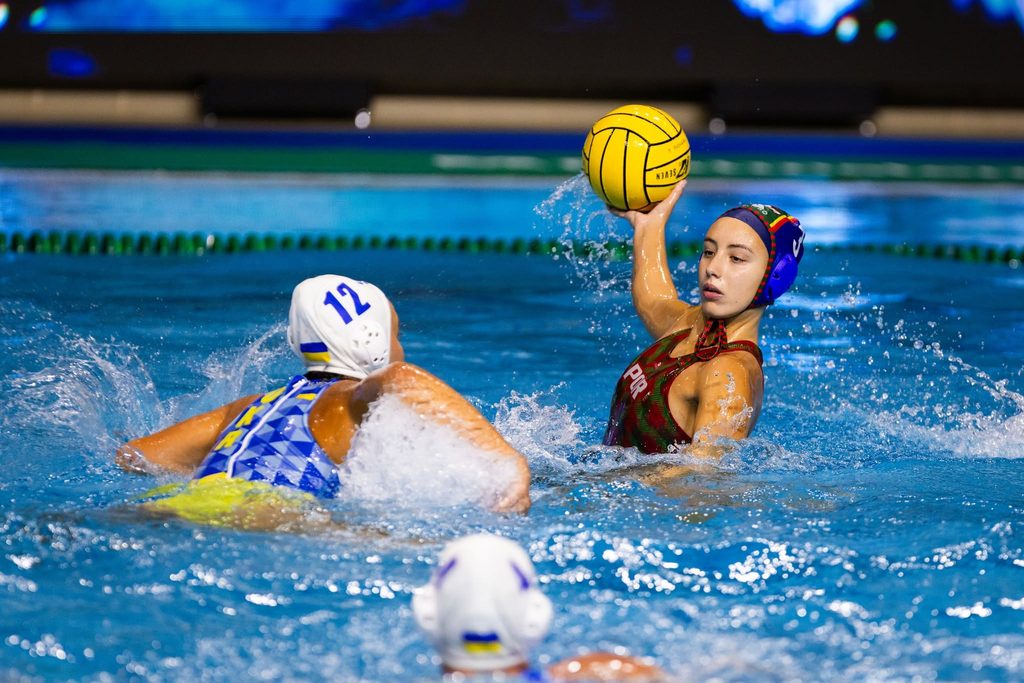
They recorded a victory over Portugal despite the pressure from the stands, put in confident performances in subsequent matches and showed determination in every situation. It turned out, however, that this was not enough to get back into the running for a place in the final.
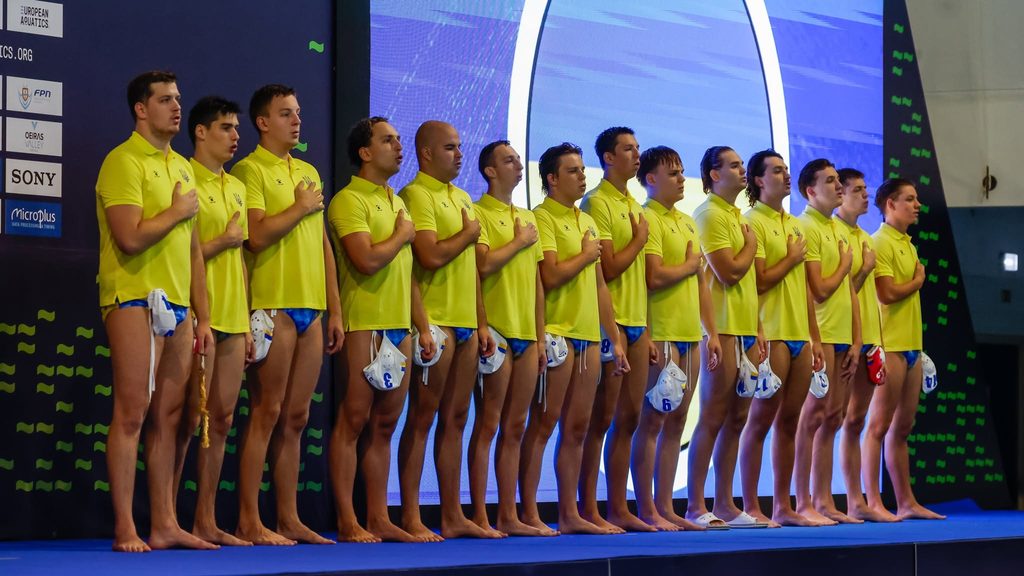
Here’s the most important lesson: we’re at the right level, but we’re lacking consistency at the moment.
As for the U16 national team.
25th place may not seem particularly impressive, but you have to take the context into account. For most of the competitors, this is their first World Championship – the pace is different here, as are the styles of play and the level of physical fitness.
The team didn’t lose heart after a difficult start and found their form as the tournament progressed. Their victories over Israel and China are a testament to their character and ability to adapt.
At this age, it is of crucial importance.
We will discuss the women’s teams in the U20 and U16 categories separately.
15th place is currently an objective indicator. European leaders have a comprehensive training system at their disposal: a greater number of swimming pools, stronger domestic competitions and regular participation in international events.
At the moment, we do not have enough of it.
At this point, we must be honest: without systematic work — training camps, friendly matches, and the development of clubs — this gap will not narrow.
Another key moment is the transition from youth sport to senior sport.
Once they reach the ages of 18–20, many players drop out of the system: university, work, a lack of clear prospects. Our task is to ensure we do not lose these generations.
That is precisely why we are already calling up some players from the U20 squad to the senior national team. Some of them are ready for this level — and that is a positive development.
For me, the main takeaway from the season that has just ended is simple.
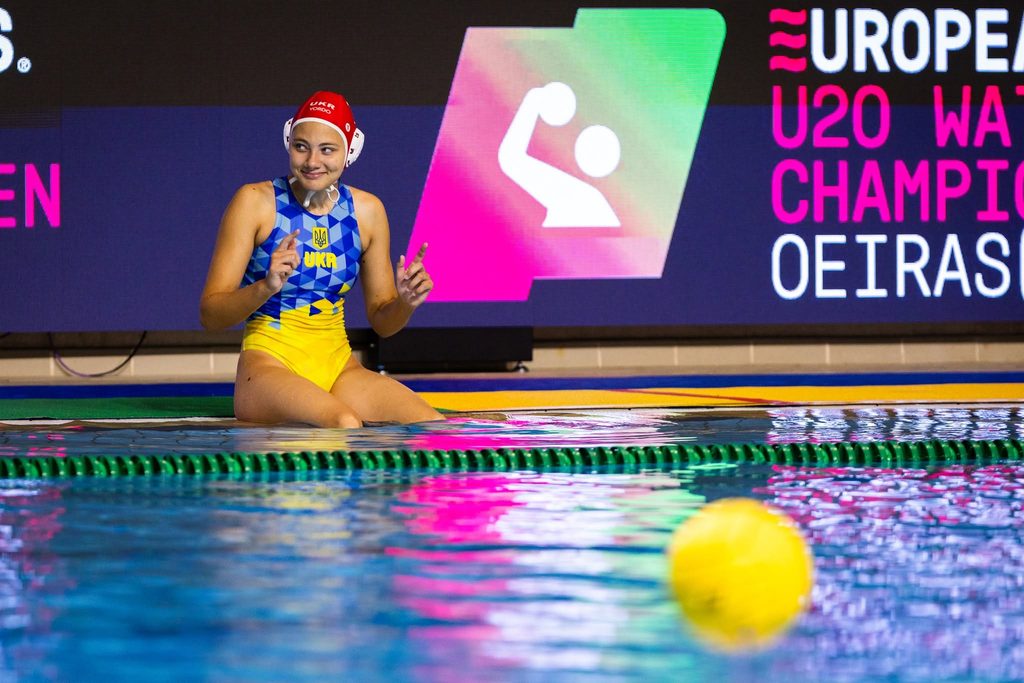
We have the potential, we have the character, and we have teams capable of competing on equal terms. However, without consistency — a stable training programme, international experience and the development of our infrastructure — our results will be inconsistent.
That’s exactly what we’re working on.
And one more thing that simply must be mentioned.
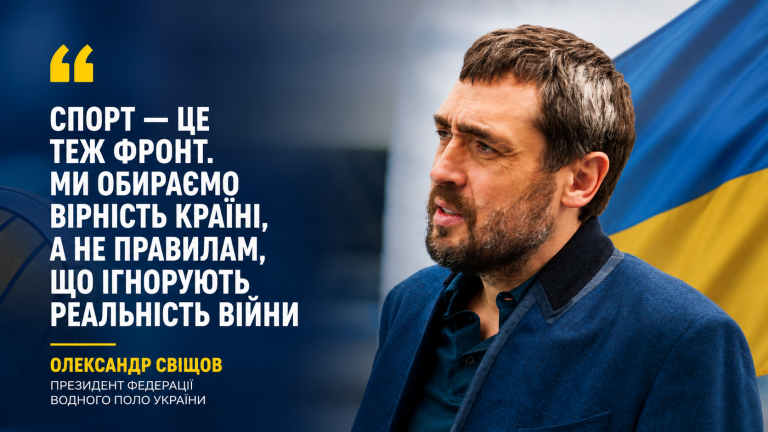
Every trip we make to international tournaments, every match we play under the Ukrainian flag — we owe it all to our soldiers. It is thanks to them that we are able to work, play and represent our country.
We remember that.